Configurable process policies
The RCS source deck lists configurable business processes, system policies, and deployment on demand.
RCS is presented as a project-review layer for tasks, routes, traffic control, vehicle configuration, warehouse status, reports, and integration boundaries.
 Source: AGV-SRC-08-rcs-dispatch
The RCS source deck lists configurable business processes, system policies, and deployment on demand.
The deck describes global path planning with constraints such as motion model, road width, rotation, orientation, and point rules.
Safety detection, multi-vehicle collision detection, right-of-way occupation, and traffic prediction are listed as scheduling functions.
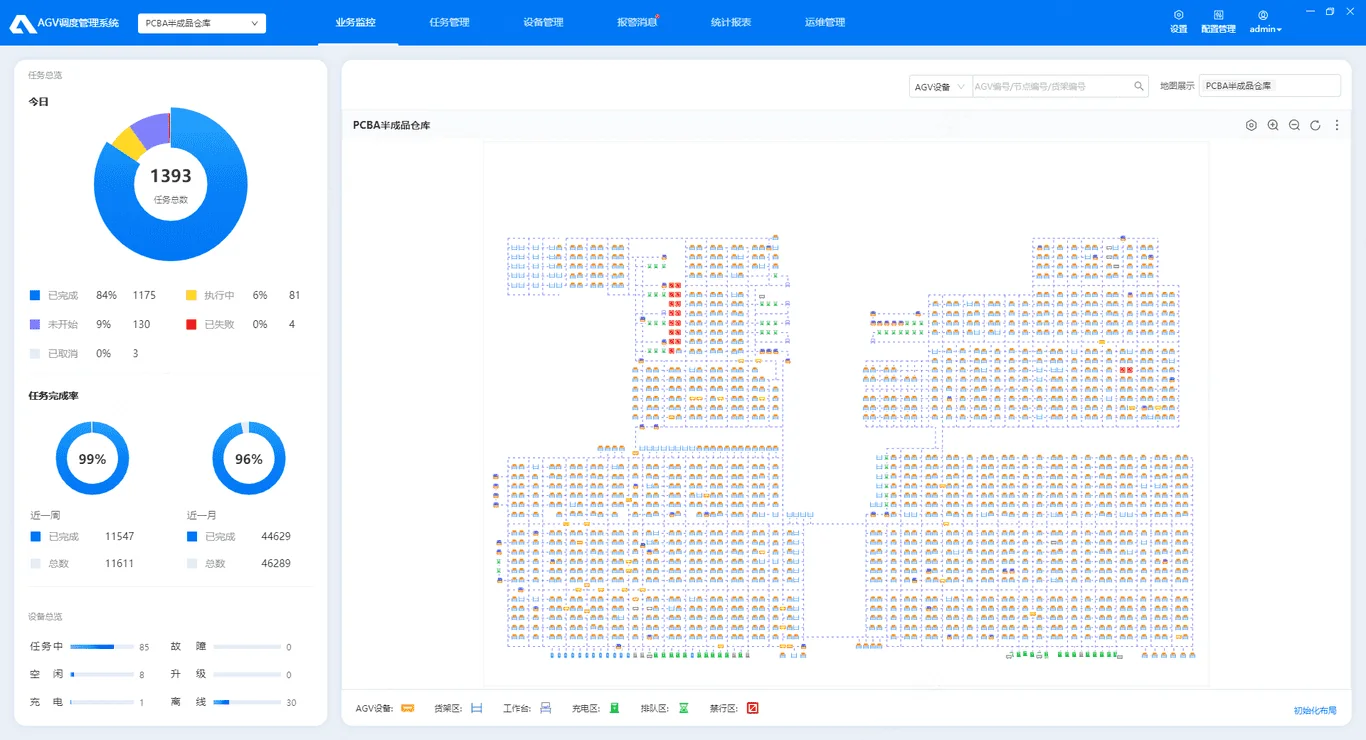
Main interface content includes warehouse monitoring, AGV supervisory control, reports, forms, and device management.
Vehicle models, parameters, storage point status, and automatic task triggers are described in the RCS material.
The dashboard material shows task status, completion, device overview, charging, fault, and offline states as reporting categories.
 Source: AGV-SRC-03-mapping
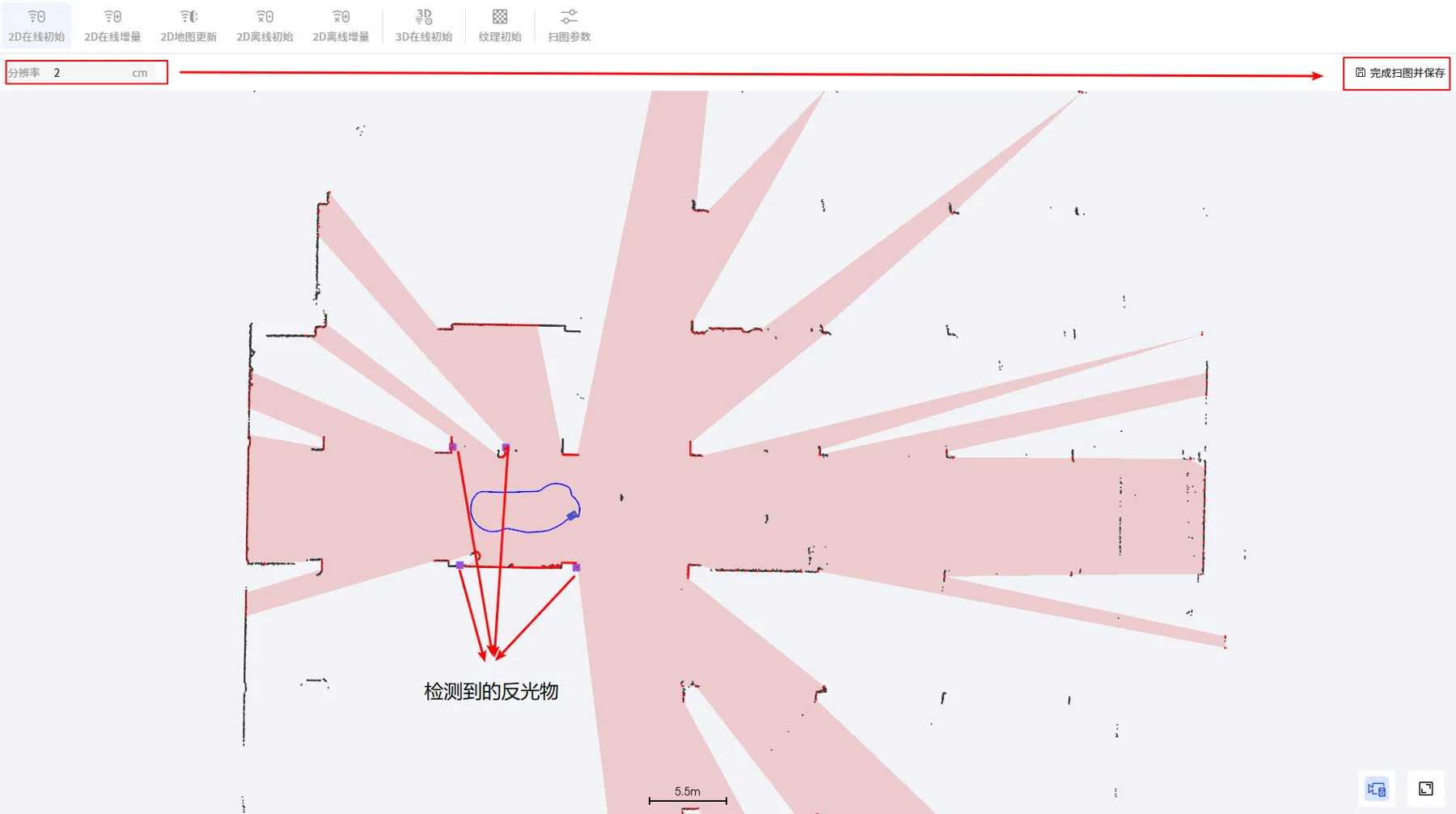
The RCS review should not be separated from map fields, point types, line attributes, route restrictions, traffic zones, charging areas, and forbidden zones.
List WMS, MES, PDA, PLC, doors, conveyors, elevators, traffic lights, and other systems that must exchange tasks or state with RCS.