Upper systems
WMS, MES, or another upper-level system may supply tasks, state, or planning data.
The project-information material frames integration as a layered system: upper systems, scheduling, integrated control, vehicle execution, terminals, equipment, power, and network.
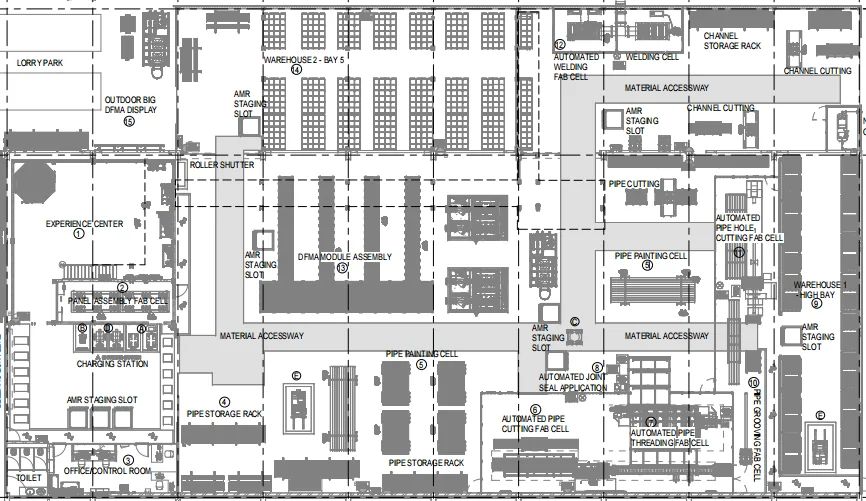 Source: AGV-SRC-16-project
WMS, MES, or another upper-level system may supply tasks, state, or planning data.
RCS and related control layers assign tasks, manage maps, and coordinate vehicles.
ICS, PLC, conveyors, doors, elevators, traffic lights, light barriers, and machines require interface review.
Forklift AGV, pallet jack AMR, PDA terminals, charging areas, and manual operation terminals need clear ownership.
 Source: AGV-SRC-16-project
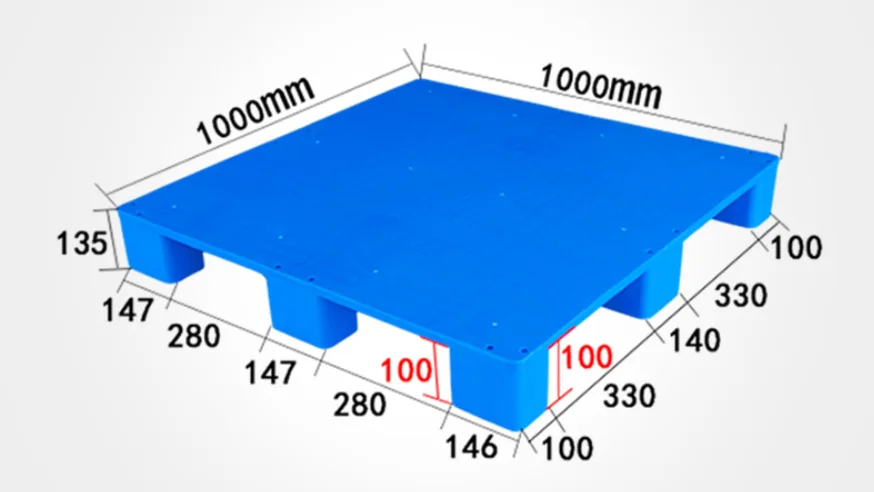
Software scope and pallet geometry are connected. Pallet type, load envelope, pickup channel, docking point, and equipment handoff affect both route logic and physical acceptance.
Attach system diagrams, equipment lists, PLC or WMS touchpoints, and acceptance criteria. Keep private login details out of the upload.